How to Measure Yourself for a Raincoat That Actually Keeps You Dry
A raincoat that soaks your chest, rides up your forearms or flaps like a sail is usually a sizing problem, not a fabric problem. Most of us buy raincoats the way we buy T-shirts: grab the usual size, hope for the best. But a raincoat sits over layers, and the seams doing the real work — shoulders, cuffs, hem — only keep water out if the coat is roomy in the right places and not giant everywhere else. Five minutes with a soft tape measure and a jacket you already own will tell you more than any size chart on a product page.
Before You Pick Up the Tape
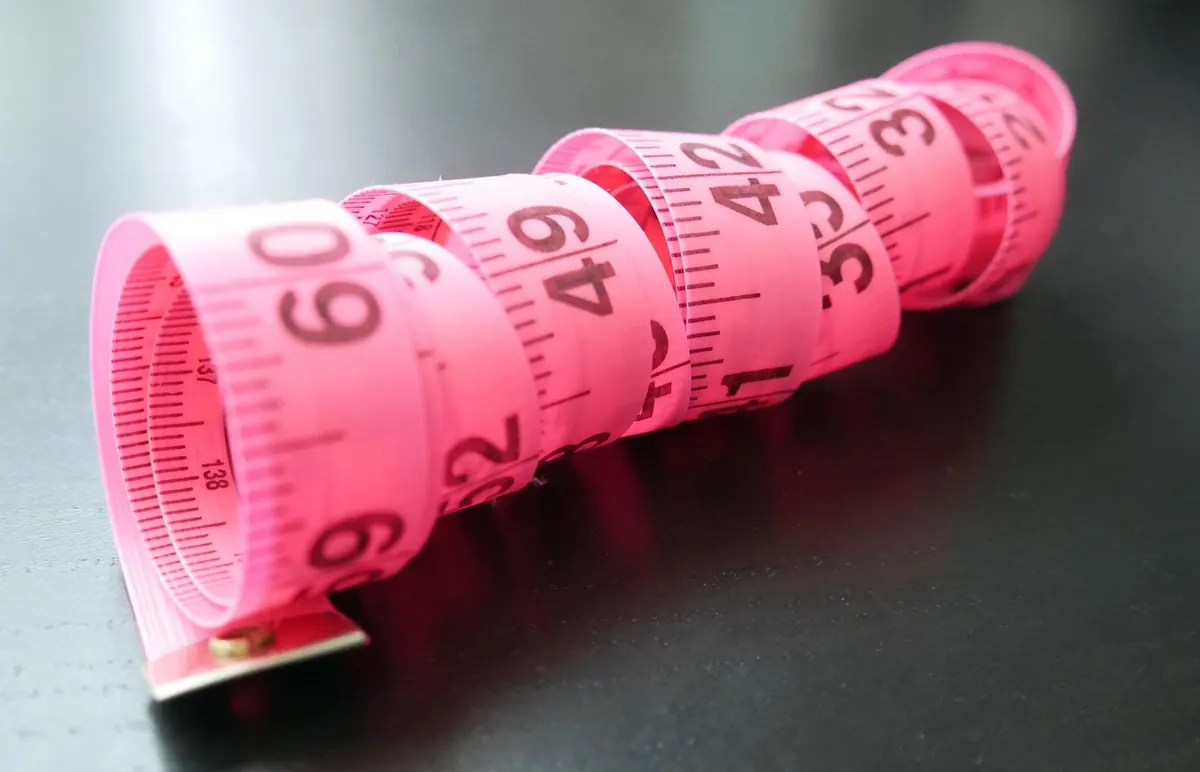
Use a soft tailor's tape. If you don't have one, use a piece of string, mark it, then measure the string against a ruler. Stand naturally, breathe normally, and keep the tape snug rather than tight — you should still be able to slide a finger under it.
Wear what you'd actually wear under the coat. A T-shirt is fine if you're choosing a packable summer shell. If this is a coat for a cold, wet commute, put on the sweater or fleece you'd wear on that commute and measure over the top of it. Write the numbers down in inches or centimetres, including half-units, and resist the urge to round up generously. For sleeve and back length especially, a second pair of hands makes the numbers far more trustworthy than eyeballing a mirror.
Chest: The Measurement That Decides Whether It Flaps
Measure around the fullest part of your chest, with the tape running just under your armpits. Keep it level all the way around — the tape tends to creep downward at the back, which quietly shortens your number. Arms down, relaxed. That figure is your body chest measurement.
Now add ease. A raincoat needs room to move and room for a layer:
- Over a T-shirt or thin shirt: roughly 10–15 cm (4–6 in) of extra circumference on top of your chest measurement.
- Over a sweater or fleece: roughly 15–20 cm (6–8 in).
- Over a suit jacket or heavy mid-layer: more again — measure while wearing the jacket.
Two things go wrong at the extremes. Too much ease and the coat billows, the hem lifts in the wind, and rain gets driven up underneath. Too little and the shoulders pull, the underarm seam digs in, and the fabric stretches tight across the chest — which is exactly where a waterproof coating is most likely to give up first. Shoulder width matters here too. The shoulder seam should land near the bony edge of your shoulder, not inside it. If it sits inside, the armhole will fight you every time you reach for something.
Sleeves: Length, Cuffs and the Reach Problem
Measure from the bony point of your shoulder, over a slightly bent elbow, down to where you want the cuff to end — typically just past the wrist bone. Bend the arm while you do it. A straight-arm measurement always comes out short, and a short sleeve is a wet sleeve.
Some brands list sleeve length as a centre-back measurement, from the base of the neck out to the cuff. If the chart doesn't say which method it uses, measure your own coat on the same path and compare like with like.
Why a sleeve that fits your arm can still leak
The position of the shoulder seam changes where the cuff lands. A dropped shoulder pushes the whole sleeve lower, so the cuff sits closer to your knuckles than the number suggests. Armhole depth does the same thing. This is why the reach test matters more than the measurement itself: raise your arms overhead. If the cuffs slide up past your wrist bones, water will run down your forearm the moment you lift a bag, a child or a bicycle handlebar.
Cuff design is the other half of it. Look for a closing tab, elastic or a snap. A cuff you can cinch around your wrist, or over a glove, keeps drips out. A permanently wide cuff just funnels them in.
Length: Where the Hem Should Land
Measure from the high point of your shoulder — where the shoulder seam meets the neckline — straight down the back to where you want the hem. Wear the shoes you'd normally walk in, since heel height changes where a hem hits.
- Hip or cropped: great for cycling and packing, but rain runs straight off onto your trousers.
- Mid-thigh: the everyday sweet spot for commuting and school runs.
- Knee: solid coverage for long walks; slightly more fabric to move around.
- Below the knee: best protection in wind-driven rain, least convenient on stairs and in cars.
Watch out for hems that stop exactly at the widest part of your hips. That's the point where a coat rides up when you walk, and it's the same point where a crossbody bag strap drags the hem sideways. A hem drawcord or a slightly dropped back hem solves a lot of this. Very long hems have their own issue: they sweep through puddles and wick water upward into the lining.
Turn Your Numbers Into a Size
Here's the trick most shoppers miss. Sizing charts usually list garment measurements, not body measurements, and the difference causes most raincoat returns.
- Lay your best-fitting existing jacket flat, zipped, on the floor.
- Measure from armpit to armpit across the chest and double it. That's the garment's chest circumference — compare it with the chart figure, not with your body measurement.
- Measure from the shoulder seam to the cuff along the sleeve.
- Measure from the high point of the shoulder down to the hem.
- Lay those three numbers against the brand's chart and pick the size that matches.
If you land between two sizes, size up for a coat meant to go over layers and size down only for a slim shell worn over a T-shirt. Before you order two sizes to try, check the returns policy — some outdoor brands charge for return shipping, which changes the maths.
Quick Fit Checks Before You Commit
- Hug test: cross your arms in front of you. The back shouldn't pull tight across the shoulder blades.
- Reach test: arms overhead. Cuffs stay near the wrist, hem stays below the waist.
- Zip test: zip up and take a deep breath. Roomy, not tight.
- Pocket test: with the coat zipped, reach into the pockets. If the coat rides up towards your ribs, the chest is too small.
- Hood test: put it up with the hat or hair you'd normally have. Can you see to cross a road?
A Raincoat You Stop Thinking About
The measure of a good raincoat is that you forget you're wearing one. No tugging the hem down, no shoving a wet cuff back over your wrist, no cold trickle at the chest because the zip gapes when you lean forward. Chest, sleeve and length are the three numbers that decide all of it, and they take one sitting to work out. Save them in a note on your phone. Your body isn't going to change much next season, and a coat that fits properly the first time is one you'll actually reach for when the sky turns grey.
Photo: marshmallowpanda / Pixabay